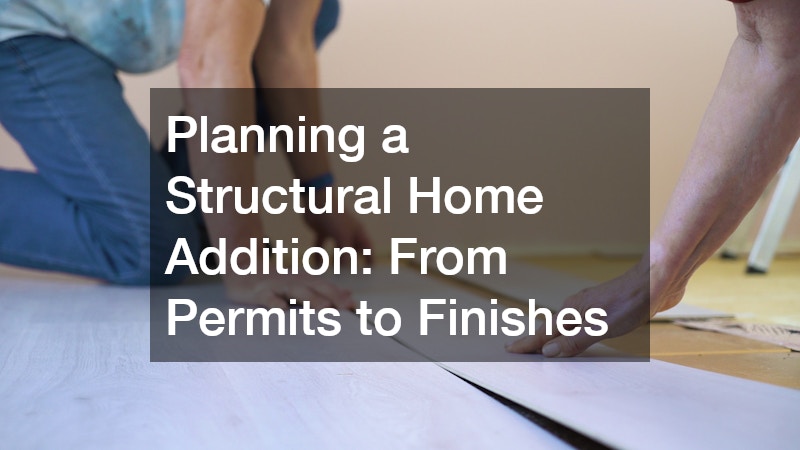
Embarking on a structural home expansion project is one of the most significant investments a property owner can make, transforming both the physical footprint and the overall value of a residence. Successfully executing such an ambitious endeavor requires an intricate blend of architectural vision, precise engineering, regulatory compliance, and masterful craftsmanship. Property owners often understate the sheer complexity involved in bridging the gap between raw spatial concepts and fully realized structural elements. By establishing a rigorous roadmap that accounts for every stage of development, you can navigate potential pitfalls and ensure a seamless transition from the initial groundbreaking to the final stroke of interior styling.
Feasibility and Architectural Design

Before committing substantial financial resources to your project, you must determine whether your property can physically and legally sustain the proposed modifications. Architectural feasibility involves analyzing soil conditions, assessing the load-bearing capacities of current structures, and mapping out how the new space will integrate with the old layout. Designing successful home additions requires an intimate understanding of spatial dynamics so that the transition between the existing structure and the newly built environment feels cohesive and intentional. Hiring an architect or a structural designer early in the process ensures that your aesthetic aspirations align perfectly with realistic engineering principles.
During this design phase, professionals will draft schematic drawings that illustrate the elevations, floor plans, and structural connections necessary to tie the new and old buildings together safely. These blueprints serve as the definitive playbook for the entire project, guiding every subsequent trade professional who works on the site. Failing to secure detailed architectural plans often results in mismatched rooflines, unstable foundations, and spaces that feel awkward or disconnected from the rest of the house. Investing time and capital into comprehensive design schematics creates a reliable framework that minimizes costly mid-construction alterations and layout corrections.
Navigating Local Zoning Laws and Building Permits
The legal framework governing residential construction is complex, strict, and completely non-negotiable for property owners seeking to expand. Zoning regulations dictate exactly how close a structure can be built to property lines, the maximum allowable height of residential buildings, and the total percentage of a lot that can be covered by impermeable surfaces. Navigating these municipal restrictions requires patience and a thorough review of local ordinances before submitting any formal paperwork to the building department. Ignoring these regulations can result in severe municipal fines, forced halts to active construction, or even legal mandates to demolish unpermitted structures entirely.
Securing the proper building permits is a detailed process that involves submitting architectural blueprints, structural engineering calculations, and comprehensive site plans to local authorities for review. This administrative review ensures that the proposed construction adheres strictly to national, state, and local safety codes designed to protect occupants. Depending on your specific location and the scope of the expansion, this approval process can take anywhere from a few weeks to several months to complete. Seasoned project managers always account for this bureaucratic timeline when scheduling the official groundbreaking dates for their clients’ projects.
Foundation and Site Preparation
Once the legal clearances are secured, the physical transformation begins with site preparation, excavation, and the pouring of a solid foundation. This phase represents the literal and figurative basis of the entire structural addition, meaning that absolute precision is required from the outset. Heavy machinery will clear topsoil, excavate trenches to the depth required by local climate zones, and prepare the earth to receive concrete. Any errors made during this foundational stage will inevitably telegraph upward, causing alignment issues throughout the framing, drywall, and finishing phases.
Depending on the architectural design and regional building practices, the new foundation may consist of a concrete slab, a crawlspace, or a full basement extension. Properly tying the new foundation to the existing home’s foundation requires specialized steel rebar pinning and heavy-duty epoxy systems to prevent uneven settling over time. Additionally, installing robust waterproofing membranes and exterior drainage systems is essential to safeguard the new subterranean spaces from hydrostatic pressure and moisture intrusion. Taking shortcuts during foundation pouring is a catastrophic mistake that can lead to cracked walls, shifting floors, and moisture damage decades down the road.
Framing and Sheathing the Enclosure
Framing is the stage where the abstract lines on an architectural drawing finally manifest into a tangible, three-dimensional physical structure. Carpenters use heavy dimensional lumber or engineered wood products to erect the subfloors, studs, headers, and rafters that form the skeletal cage of the addition. Watching the framing progress is often the most exhilarating phase for homeowners, as rooms take shape and the true scale of the expansion becomes visible. Every wall must be perfectly plumb, square, and level to ensure that future installations, from cabinetry to trim work, proceed smoothly without structural modifications.
Once the wood skeleton is complete, the exterior walls and roof rafters are clad in structural sheathing, typically made of oriented strand board or exterior-grade plywood. This sheathing binds the individual framing members into a unified system capable of resisting lateral forces like heavy winds and seismic activity. Immediately following the installation of the sheathing, a high-quality weather-resistant barrier, or house wrap, is applied to the exterior surface. This specialized fabric layer acts as a shield against liquid water while allowing vapor to escape, protecting the raw wooden framework from rot and decay.
Integrating Specialty Interior Spaces
When an addition is designed to expand the most functional zones of a home, the complexity of the project escalates dramatically. Designing a new kitchen and bath space within an addition demands precise planning due to the dense concentration of mechanical, plumbing, and structural requirements. These spaces require specialized structural reinforcement to support the weight of heavy appliances, deep soaking tubs, tile floors, and custom cabinetry.
Furthermore, selecting materials for these high-moisture zones involves balancing daily functional durability with sophisticated interior design aesthetics. For instance, selecting the perfect stone or quartz countertop requires a clear understanding of how the surface will interact with natural light and surrounding cabinetry. The layout must be finalized early in the structural phase because the placement of heavy surfaces impacts framing reinforcement and utility stub-outs.
Managing the specialized labor required for these intricate interior spaces is a logistical challenge that requires a seasoned general contractor. Collaborating with certified bathroom contractors guarantees that waterproofing systems, custom shower pans, and complex tile layouts are executed to industry standards. By prioritizing high-quality execution in these critical rooms, you elevate the daily living experience while maximizing the eventual resale value of your property.
Installing Advanced Window and Door Systems
Securing the building envelope against the elements requires the careful selection and professional installation of high-efficiency exterior portals. Choosing the right windows involves analyzing thermal performance metrics, solar heat gain coefficients, and how the glass placements complement the home’s architectural style. Properly positioned glass surfaces maximize natural daylight, foster cross-ventilation, and significantly reduce reliance on artificial lighting throughout the day. Additionally, the window styles selected must match or elegantly transition from the windows installed on the original portion of the house.
The physical process of a window or door install is a meticulous task that leaves zero margin for measurement or alignment errors. Installers must ensure that each unit is perfectly level, plumb, and square within its rough opening to guarantee smooth operation and prevent air drafts. Specialized flashing tapes, low-expansion insulating foams, and premium exterior sealants are applied around the perimeters to create an airtight and watertight seal. Improperly flashed openings are a primary cause of hidden structural rot, mold growth, and inflated monthly utility bills within home expansions.
Upgrading Electrical Infrastructure
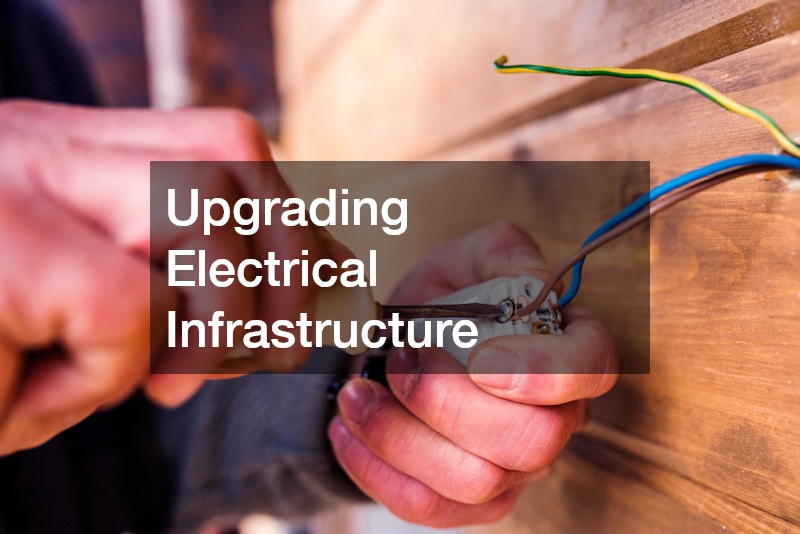
A structural addition places increased demands on your property’s electrical system, requiring a comprehensive evaluation of your existing service panel. A licensed electrician must assess whether your current electrical panel can handle the added electrical load of the new rooms or if an upgrade is required. In many older homes, adding living space necessitates upgrading from a 100-amp service to a 200-amp or 400-amp service to ensure safety and code compliance. This infrastructural foundation must be resolved before any wiring is routed through the newly framed walls.
The rough-in electrical phase involves running circuits through studs, installing junction boxes for outlets, and wiring advanced architectural lighting layouts. Modern building codes mandate specific outlet spacing, dedicated circuits for heavy appliances, and the implementation of Arc-Fault Circuit Interrupter protection. Electricians will carefully map out light switches, data lines, smart home controllers, and safety detectors to optimize the daily usability of the new space. This meticulous rough-in work must be thoroughly inspected and approved by local code officials before any insulation or drywall can be installed.
Expanding Plumbing and Drainage Networks
Extending a home’s plumbing infrastructure into a new structural addition requires a deep understanding of fluid dynamics, slope requirements, and venting systems. Professional plumbers must locate the home’s existing main water supply lines and waste stacks to determine the most efficient routing paths. For horizontal expansions, this often involves cutting into existing concrete slabs or routing heavy pipes through tight crawlspaces with consistent downward sloping. If the plumbing lines are designed incorrectly, the system will suffer from persistent drainage failures, low water pressure, and sewer gas leaks.
The rough-in plumbing stage requires cutting precise notches and drilling holes through the newly installed framing without compromising the structural integrity of load-bearing studs. Plumbers install supply lines made of durable cross-linked polyethylene or traditional copper, alongside drain-waste-vent systems composed of heavy-duty plastic piping. Every connection must be pressure-tested with water or air to ensure there are zero hidden leaks before the walls are permanently sealed with drywall.
HVAC Integration and Climate Control
Maintaining a comfortable, consistent indoor temperature throughout an expanded home requires careful thermal calculations and strategic mechanical engineering. Professional HVAC services are essential to evaluate whether your existing heating and cooling equipment possesses the necessary capacity to condition the extra square footage. Simply tapping into existing ductwork without calculating static pressure and airflow demands often leaves both the old house and the new addition uncomfortable. If your current furnace or air conditioner is undersized, overloading it will drastically shorten its operational lifespan and spike your energy costs.
When upgrading the climate control infrastructure, homeowners can choose between extending traditional ducted systems or installing independent ductless mini-split heat pumps. Extending existing ductwork requires sheet metal fabricators to route new branches through joist bays, balancing dampers to ensure uniform air distribution. Conversely, ductless mini-split systems offer zoned temperature control, allowing occupants to heat or cool the new addition independently from the rest of the house.
Insulation and Drywall Installation
With all mechanical, electrical, and plumbing rough-ins fully inspected and approved, the addition transitions into the insulation and wall-closing phase. Insulation acts as the primary thermal barrier, slowing down heat transfer and ensuring that the energy consumed by your HVAC system is conserved. Homeowners can select from various insulation materials, including traditional fiberglass batts, mineral wool, blown-in cellulose, or high-performance spray foam insulation. Each material offers distinct advantages regarding thermal R-value, sound dampening qualities, and resistance to airflow, allowing for customized comfort control.
Applying insulation correctly requires close attention to detail, as even small gaps or compressed batts can create thermal bridges that waste significant energy. Installers must carefully fit insulation around electrical boxes, plumbing lines, and structural bracing without packing the material too tightly. In cold climates, a dedicated vapor retarder is applied over the interior face of the insulation to prevent indoor humidity from condensing on cold framing members. This invisible thermal blanket keeps the interior walls warm, prevents hidden mold cultivation, and keeps your monthly utility bills manageable.
Fine Interior Finishes and Final Inspection

The final phase of a structural home expansion focuses on the detailed interior details that reflect your personal style and aesthetic preferences. Carpentry crews install baseboards, window casings, crown moldings, and interior doors, creating architectural definition and covering raw drywall edges. Simultaneously, flooring installers lay down hardwood, tile, or luxury carpeting, providing a durable and beautiful foundation for your daily life. This is the stage where the house finally sheds its identity as an active construction zone and transforms into a warm, liveable home.
Transforming these raw materials into a polished masterpiece relies heavily on the skills of professional painting contractors who prepare and coat all interior surfaces. Painters meticulously caulk trim joints, fill nail holes, apply premium primers, and apply multiple coats of high-quality paint to walls and ceilings. Choosing the right paint finishes—such as satin for high-moisture areas and flat for ceilings—ensures long-term durability and beautiful light reflection. Professional paint application elevates the craftsmanship of the entire project, tying all design elements together into a stunning, cohesive visual presentation.
Planning and executing a structural home expansion is an intricate, multi-layered journey that requires balancing architectural design, legal compliance, and masterful field craftsmanship. By understanding the critical roles played by specialized trades and respecting municipal building codes, homeowners can avoid common remodeling pitfalls. Ultimately, a carefully planned addition does more than simply increase the square footage of your property; it enhances your daily quality of life, breathes new energy into your existing architecture, and secures a valuable financial asset for years to come.