A properly functioning septic system is essential for maintaining a safe, comfortable, and sanitary home. Although septic systems are designed to manage household wastewater efficiently, they require regular maintenance and responsible usage to remain in good condition. Without proper attention, minor issues can develop into significant problems, resulting in expensive repairs, property damage, and potential health hazards.
Many homeowners overlook their septic systems because most components are buried underground and operate out of sight. Unfortunately, this lack of visibility can make it difficult to recognize developing problems until noticeable symptoms appear.
Slow drains, unpleasant odors, sewage backups, and unusually wet areas around the drain field can indicate that a system requires professional attention.
Working with an experienced septic company allows homeowners to identify potential concerns, maintain essential components, and reduce the likelihood of unexpected system failures. Understanding how professional maintenance contributes to long-term performance can help property owners protect their investments and avoid unnecessary expenses.
Regular Septic Inspections Help Identify Problems Early
Routine septic inspections are among the most effective ways to prevent expensive repairs. During an inspection, trained professionals evaluate important system components to determine whether they are functioning correctly. This process may involve examining the septic tank, checking wastewater levels, assessing accessible pipes, and identifying signs of damage or deterioration.
Professional inspections help homeowners recognize these concerns before they develop into major failures. Technicians can recommend appropriate repairs, maintenance adjustments, or additional evaluations based on the condition of the system.
Inspection frequency depends on factors such as household size, system age, wastewater usage, and the type of septic equipment installed. Homes with higher wastewater demands or specialized treatment components may require more frequent professional attention.
Regular evaluations also provide an opportunity to discuss changes in household habits that could affect system performance. By addressing minor concerns promptly, homeowners can reduce the risk of emergency service calls and extend the useful life of their septic systems.
Proper Septic Tank Pumping Prevents Waste Buildup
Septic tank pumping is another important component of preventive maintenance. As wastewater enters a septic tank, solid materials settle at the bottom, forming sludge, while grease and lighter substances accumulate near the surface as scum. The liquid wastewater between these layers gradually flows toward the drain field for further treatment.
Over time, sludge and scum accumulate inside the tank. Without periodic pumping, these materials can occupy too much space and interfere with the normal separation and treatment process.
A professional septic company can evaluate sludge and scum levels to determine when pumping is necessary. Rather than relying exclusively on a fixed schedule, professionals consider household occupancy, tank capacity, water consumption, and previous maintenance records.
Homeowners can also support proper septic performance by limiting the amount of grease, food waste, and nonflushable materials entering their plumbing systems. These substances can increase waste accumulation or interfere with treatment processes.
Maintaining a consistent pumping schedule helps preserve tank capacity, supports effective wastewater treatment, and reduces unnecessary strain on downstream components. Preventive pumping is generally more manageable than addressing the consequences of an overloaded system.
Responsible Water Usage Protects the Drain Field
The drain field plays a critical role in treating wastewater after it leaves the septic tank. This underground area allows partially treated wastewater to move through soil, where natural processes help remove contaminants before the water reaches the surrounding environment.
Because the drain field depends on appropriate soil conditions and controlled wastewater distribution, excessive water usage can create problems. When large volumes of wastewater enter the system within a short period, the soil may struggle to absorb the additional liquid.
Repeated hydraulic overloading can contribute to wastewater surfacing, unpleasant odors, and reduced treatment efficiency. In severe cases, homeowners may experience sewage backups or persistent drainage problems.
Spreading household water usage throughout the day can help reduce unnecessary pressure on the system. For example, running several loads of laundry consecutively while operating dishwashers and taking long showers may place additional demand on septic components.
Repairing leaking faucets, toilets, and plumbing connections can also reduce wastewater volume. Even relatively small leaks may introduce substantial amounts of unnecessary water over time.
Homeowners should additionally protect the drain field from external sources of water. Directing roof runoff, sump pump discharge, or other drainage toward the absorption area can contribute to oversaturation.
Professional Maintenance Supports Long-Term Septic System Performance
Preventive septic maintenance involves more than pumping tanks and inspecting visible components. Professional technicians can help homeowners understand how their entire wastewater treatment system operates and identify conditions that may affect its long-term reliability.
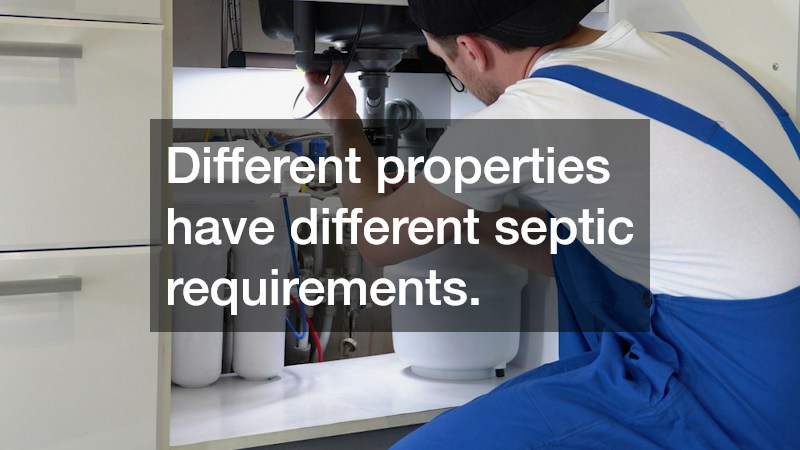
Different properties have different septic requirements. Soil characteristics, groundwater conditions, system design, household occupancy, and local regulations can all influence maintenance needs. A professional assessment helps determine which practices are appropriate for a particular installation.
For systems equipped with pumps, alarms, filters, or advanced treatment components, additional maintenance may be necessary. These features can improve wastewater management, but they also introduce mechanical or electrical elements that require periodic evaluation.
Effluent filters, when installed, may need cleaning to prevent restrictions in wastewater flow. Pumps and alarm systems should be checked according to manufacturer recommendations and applicable maintenance requirements.
Keeping detailed service records is another useful preventive measure. Documentation of inspections, pumping appointments, repairs, and equipment replacements helps establish a maintenance history. These records can assist technicians in recognizing recurring problems and evaluating changes in system performance.
Promptly contacting qualified professionals when these symptoms appear can prevent additional damage. Continuing to use a malfunctioning system without addressing the underlying cause may increase repair costs and create sanitation concerns.
Preventing costly septic repairs requires consistent maintenance, responsible water usage, and early attention to potential problems. Routine inspections, timely tank pumping, drain field protection, and professional evaluations all contribute to maintaining an efficient wastewater treatment system.
Partnering with a qualified septic company provides access to professional guidance, preventive services, and recommendations tailored to the property’s needs. With proper care and regular attention, homeowners can reduce unexpected repair expenses, protect their properties, and support reliable septic system performance for years to come.